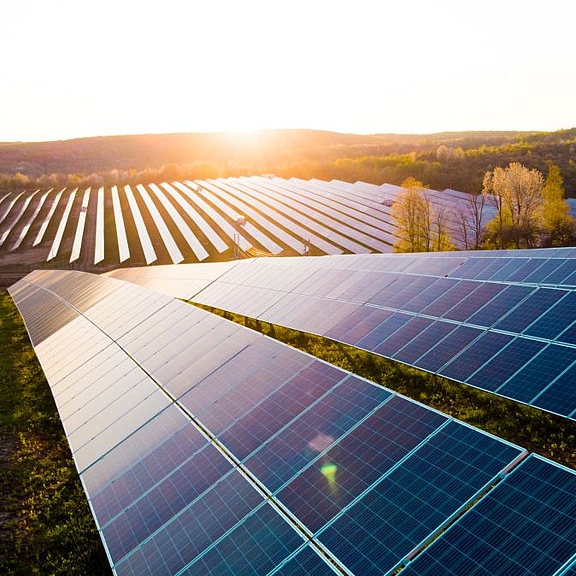
Photovoltaic systems make a crucial contribution to the energy supply – large-scale systems and solar parks in particular must be operated reliably and economically over the long term. However, as the duration of operation increases, so do the demands on electrical safety.
In addition to external factors such as weather or environmental influences, ageing processes within the system have a significant impact on performance and operational safety. This gives rise to risks that often only become apparent during ongoing operation.
Continuous monitoring of the electrical system and its condition is therefore crucial for identifying problems at an early stage and taking timely action.
The operation of photovoltaic systems – particularly large-scale ground-mounted systems – involves specific technical challenges. These arise from a combination of various influencing factors.
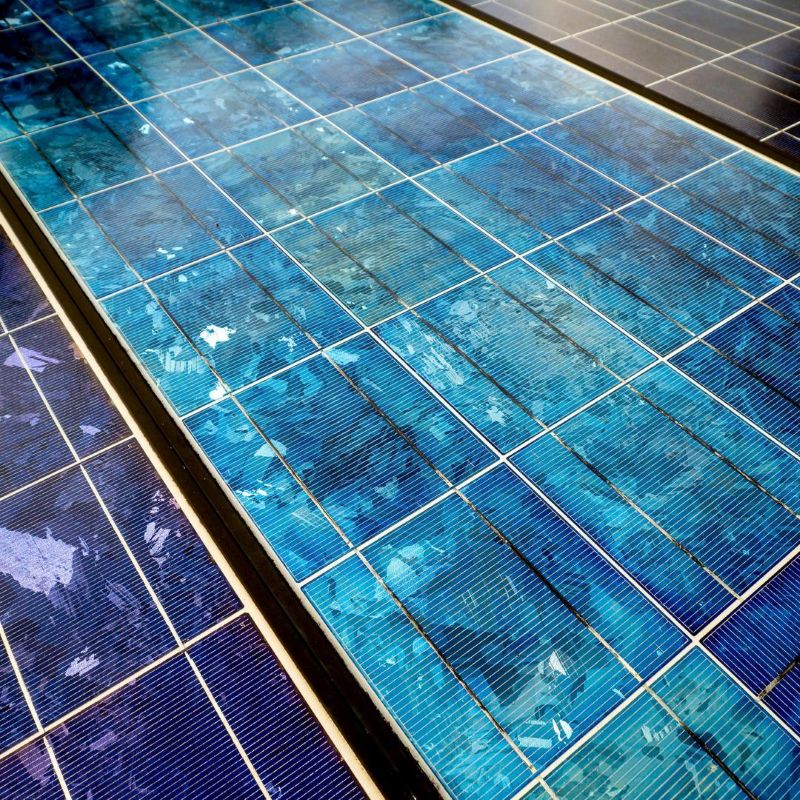
On the one hand, all components are subject to natural ageing. Materials change over time, electrical properties deteriorate and the system becomes increasingly sensitive to external influences. On the other hand, environmental conditions such as UV radiation, humidity, temperature fluctuations or contamination have a direct impact on the system’s performance.
Added to this is the high complexity of modern photovoltaic systems. Large systems consist of a multitude of individual components that interact with one another. Faults often develop gradually and are difficult to identify without suitable measurement and monitoring technologies.
This combination of ageing, environmental influences and system complexity presents operators with the challenge of being able to reliably assess the condition of the system at all times.
Degradation and ageing
As operating time increases, many photovoltaic systems reach a state where their original performance is no longer fully maintained. This leads to so-called degradation effects, which can affect both individual components and the entire system.
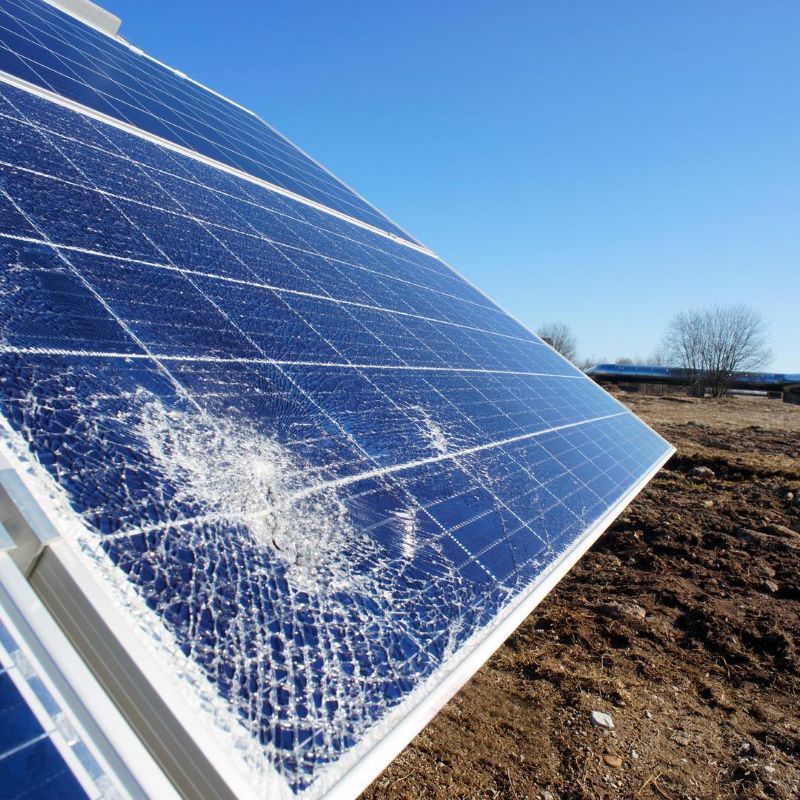
In practice, this often manifests as noticeable drops in performance. In serious cases, it can even lead to the failure of entire plant sections or complete systems. Without targeted analysis and continuous monitoring, these developments often go undetected for a long time and result in increasing financial losses.
A thorough assessment of the plant’s condition – particularly before and after measures such as repowering – is therefore a key component of safe and efficient operation.
One of the most common and, at the same time, most critical causes of operational faults in photovoltaic systems is insulation failure. These arise, amongst other things, due to ageing, material fatigue or external influences such as moisture and contamination.
The particular challenge lies in the fact that insulation problems often develop gradually and are not immediately apparent during normal plant operation. Nevertheless, they can have significant consequences: they affect the electrical safety of the plant, increase the risk of technical faults and, in extreme cases, can lead to dangerous situations.
Without suitable monitoring systems, the majority of these faults remain undetected for a long time. Continuous insulation monitoring is therefore an essential prerequisite for identifying critical developments at an early stage and taking targeted action.
In addition to general ageing processes, photovoltaic systems are also exposed to specific physical effects that can impair their performance. These include, for example, Potential Induced Degradation (PID).
Such effects arise from specific operating conditions and external influences and have a gradual impact on the performance of the modules. In many cases, they go unnoticed for a long period of time, but lead to a continuous reduction in energy yield.
Here too, targeted monitoring is necessary to detect changes at an early stage and initiate appropriate countermeasures.
The problem areas described have a direct impact on the operation of photovoltaic systems. If they are not detected in good time, they can significantly impair both technical safety and economic efficiency.
Typical consequences include losses in performance and yield, which have a direct impact on the system’s economic efficiency. At the same time, the risk of unplanned downtime increases, which is associated with high costs and additional maintenance work.
Furthermore, safety-critical conditions may arise that endanger both the system itself and personnel. Operators therefore face the challenge of identifying these risks at an early stage and actively countering them.
Proactive and continuously monitored operation is the foundation for ensuring both the safety and long-term profitability of photovoltaic systems.
A systematic approach is required to effectively address these challenges. The focus is on the continuous monitoring of the electrical system and its condition.
By accurately recording relevant measurement values, changes in system behaviour can be detected at an early stage. In this way, potential faults can be identified before they lead to malfunctions or failures.
Furthermore, the combination of monitoring and targeted analysis enables proactive intervention. Maintenance measures can be planned and carried out before major problems arise. This contributes significantly to increasing the system’s availability and avoiding unplanned downtime.
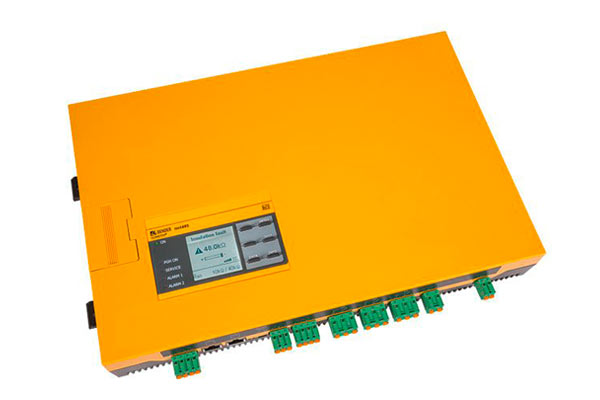
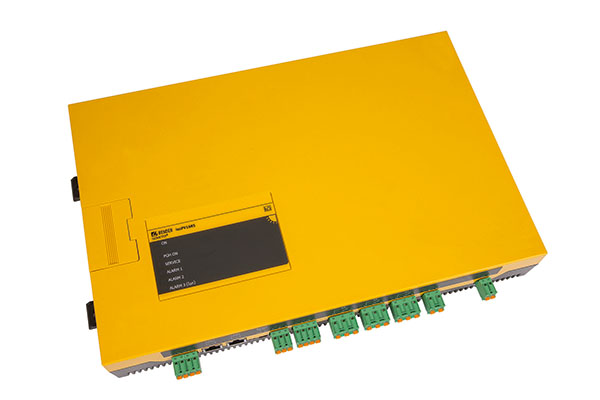
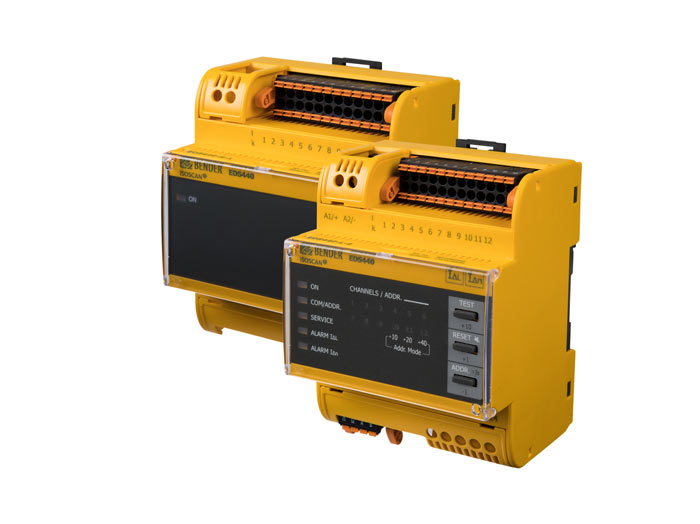
Continuous insulation monitoring plays a central role. It enables the condition of the system’s electrical insulation to be monitored constantly and changes to be detected immediately.
In this way, faults can be identified at an early stage, even before they lead to safety-critical situations or failures. This lays the foundation for stable and safe plant operation throughout its entire service life.
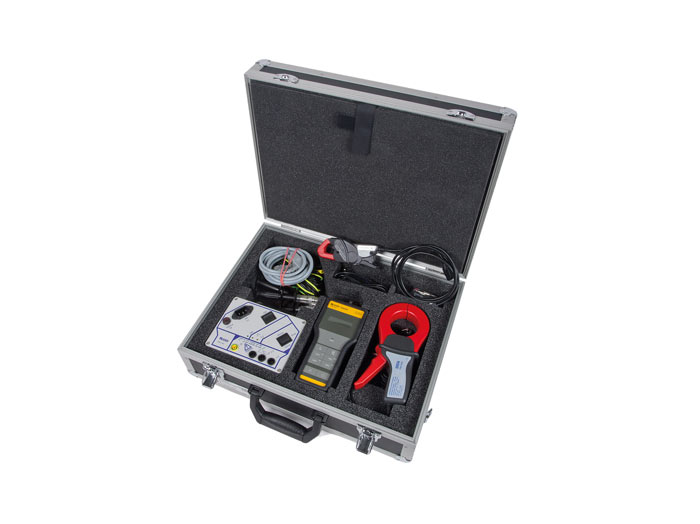
In addition to monitoring, the rapid and targeted localisation of faults is of crucial importance. Modern fault-finding systems enable insulation faults to be precisely identified and their cause quickly determined.
This allows maintenance and repair work to be carried out efficiently. The time taken to resolve a problem is significantly reduced, thereby also minimising plant downtime.
A key feature of modern measurement technology is its ability to adapt to changing operating conditions. Photovoltaic systems are constantly exposed to dynamic influences, such as changes in weather or fluctuations depending on the time of day.
Adaptive measurement methods take these changes into account and adjust the measurement accordingly. As a result, they deliver reliable results even under variable conditions and help to avoid misinterpretations.
The challenges and solutions described above are particularly relevant to photovoltaic systems with high demands on availability and safety.
These include, above all, large-scale solar parks and large-scale photovoltaic plants, where even minor faults can have significant economic consequences. Existing plants with a longer operational history are also increasingly coming into focus, as ageing processes play a central role here.
In the context of repowering projects, a thorough assessment of the plant’s condition is also essential in order to lay the groundwork for further investment decisions and to ensure long-term operation.
The safe and cost-effective operation of photovoltaic systems requires a clear understanding of the system’s current condition, as well as appropriate measures for continuous monitoring.
By detecting changes at an early stage and taking targeted action, risks can be minimised, failures avoided and the plant’s performance secured in the long term.
For a well-founded assessment and tailored solutions, we recommend consulting with experts to analyse the specific requirements of the respective system and derive appropriate measures.
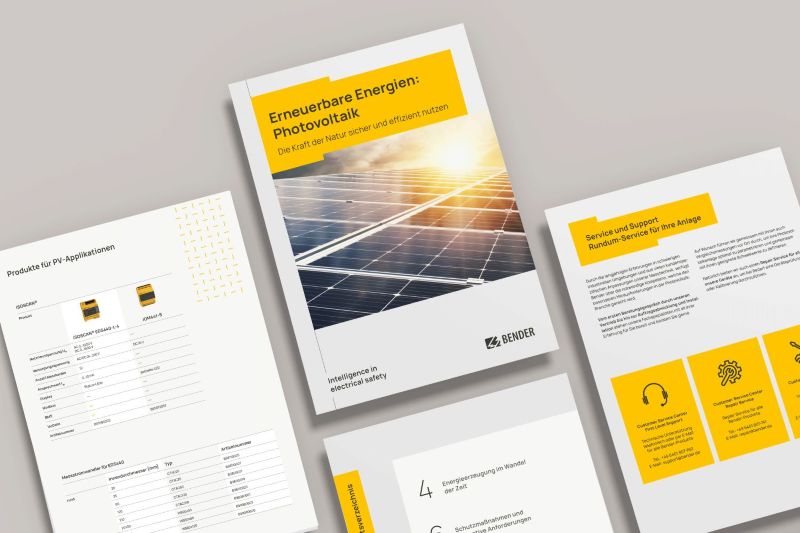
Our brochure on photovoltaics provides an overview of all key topics in safe energy generation: from the use of natural energy sources through the ages, to the regulatory requirements for solar installations, and the respective challenges and solutions to your queries.
Would you like to protect your systems from failures? Our experts will be happy to advise you – personally and without obligation.
TO CONTACT FORM